Video Localization: The Complete Guide for Global Brands
Video localization is a necessity for presence in different markets, regardless of the industry your brand belongs to. This entails translation and adaptation of subtitles for most audiences, adaptation of visual and textual elements, and finally, music and cultural references in the message of the video.
Why is video localization important?
Video localisation has many benefits. A wider reach leads to more engaged viewers, boosting conversion rates and building trust. Videos in the viewer's language with relatable cultural references increase engagement and show that the brand values its local audience.
Professional tip:
When paired with localization data, Nexrender is a real wizard as it automatically render truly dynamic video content - personalized in terms of language, region, and even user segment.
Decide your approach
There are seven methods of how video localization services can be done:
Subtitling and dubbing
Subtitling means written translation of the spoken parts of a video, and dubbing refers to adding a translated voice track that will replace the original sound at the original track.
Pros:
- Subtitles are quick and cost-effective
- Subtitles are easily added in post-production
- Dubbing creates a more natural viewing experience and greater engagement
Cons:
- Subtitles can distract from the video
- Viewers still hear the original language
- More complicated to add dubbing in post-production
Cost: The subtitles are priced low, but the dubbing price is a little higher.
Turnaround: Short for subtitles, but a bit longer for dubbing.
Viewer impact: Dubbing creates a more personal connection with viewers, whereas subtitles provide information but can feel more distant.
Transcription
Transcription helps by turning fast or hard-to-understand video audio into clear written text.
Pros:
- Better accessibility and understanding
- Useful for SEO and additional content formats
Cons:
- The language does not change, so it is not suitable for different markets
- Doesn’t convey the tone and emotion of speech
Cost: Low
Turnaround: Short
Viewer impact: Useful as additional material, but does not increase engagement.
Lip-syncing
Lip-syncing is like dubbing. It is a method in which a new voice is matched as closely as possible to the lip movements of the speaker in the video.
Pros:
- Provides the most natural viewing experience.
- Very convincing
Cons:
- Technically very demanding
- It’s difficult to achieve a perfect match
Cost: High, due to technical requirements
Turnaround: Long
Viewer impact: Very high level of audience engagement and trust.
Translation
Text elements such as signs, infographics, letters, or subtitles must be translated within the video.
Pros:
- Complete language clarity
- No additional recording required
Cons:
- The original language is still there
- It can seem forced if not integrated into the video properly
Cost: Low
Turnaround: Short
Viewer impact: Increases understanding, but not necessarily emotional experience.
Cultural adaptation
Make sure your content suits the cultural context it's aimed at. Choose images, references, and humour thoughtfully so that nothing included might be offensive to any group.
Pros:
- Establishes relevance and authenticity
- Reduces the probability of misinterpretation or offense
Cons:
- Can change the tone of the original message
- Expects a deep understanding of distinct cultures
Cost: Medium to high
Turnaround: Long
Viewer impact: Powerful because the audience identifies with the content and message.
Conversion of measurements and formats
To get closer to the target group, you need to adjust currencies, dates, and measurements in your content.
Pros:
- Improves relevance and authenticity
- Improves practical understanding
Cons:
- Lack of a strong emotional effect
- Can be implied and ignored
Cost: Low
Turnaround: Short
Viewer impact: The audience will be aware of how professional the brand is.
Script rewriting
Rephrasing the text to suit the cultural context better and match the expectations of the audience.
Pros:
- Facilitates the adaptation of humour, expression, and tone to local audiences
- Enhances the success of the message you want to convey
Cons:
- The original text may lose its authenticity
- Requires the engagement of experienced writers and local consultants
Cost: Very high
Turnaround: Long
Viewer impact: Great because it feels like the video was originally made for that audience.
Elements that shape your choice
This part may include factors such as content type, brand voice, accessibility, and platform constraints that may influence your choice of localization methods. Marketing videos are all about building emotional connection. Therefore, dubbing, voice-over, or cultural adaptation are excellent choices. Product demos require clarity, so text translation and subtitles are sufficient. For eLearning, precision and accessibility matter; therefore, subtitles and voice-overs would be best. Support/tutorial videos are intended for understanding, making subtitles and transcripts the most viable solution.
If the brand appeals to the user's emotion, use dubbing and cultural adaptation to maintain the tone of voice and atmosphere. If the video is technical and neutral, subtitles and standard translations are adequate. The audience can include people with hearing impairments, making subtitles and transcripts mandatory. However, when the goal is global accessibility, a combination of subtitles + voice-over is ideal. When it comes to platform constraints, Instagram and TikTok, for example, prefer subtitles, because viewers often watch without sound, while for YouTube, a voiceover is a better option.
The role of audio description and SDH
It is important to add audio description when visual elements carry key information; in educational and promotional videos that explain something; in narrative content when an image conveys emotion. Keep in mind that SDH is for television stations and streaming platforms, in educational and corporate training materials, as well as when the target group is diverse, so attention to inclusion is needed.
Technical prep: assets and specs that prevent rework
Provide a textless master, project files, layered graphics, and an assembly decision list to avoid repetitive work. SRT, VTT, or TTML files should be decoded in the proper frame rate and the standard time code for subtitles according to their timing. You should use applicable fonts that allow all characters (including CJK/RTL languages). Also, check that text and graphics are within safe margins, lower-thirds templates match, and colour contrast is legible.
End-to-end video localization workflow
Collect materials in the form of sources, video files, project files, and audio recordings. Then analyze content, which means identifying the text of the speech and the visual elements that require localization. And finally, follow these steps:
- Transcription and timecoding: Convert speech to text and time-align it, using a manual method or ASR with diarization. While ASR quickly generates a transcript using software, the manual method allows for greater accuracy and precise speaker identification.
- Translation: you can apply machine translation (MT) with human correction or fully human translation using termbases and translation memory (TM), a database of previously translated text segments.
- Subtitle spotting and styling: make translations readable, aligned with line breaks, and adapted to the reading speed.
- On-screen text, titles, and motion graphics localization: adapt titles and animated graphics to the language and culture of the audience.
- Voice casting and recording: choose the right voice - record a human voiceover, dubbing or use artificial voices.
- Audio engineering and mix: Lip-sync the sound, adjust the levels, and stick to the volume standards.
- Render and package deliverables per channel: generate final files and prepare them for distribution across channels.
Can you automate video localization?
If you manage multiple language videos or need to automate rendering, Nexrender is a great tool to create localized videos at scale. It provides a highly customized workflow for video automation, customized to your needs.
Platform-specific tips to keep in mind
YouTube: For YouTube videos, it is convenient to use subtitles and multiple audio tracks. We recommend that you translate titles, descriptions, and chapters for each language version. An essential feature of YouTube is the end screen that will guide viewers to content in the same language.

Social: Social media requires content and length formatting to be adapted to the habits of each platform's user. Users, for example, have an attention span of 6-10 seconds with an Instagram reel.
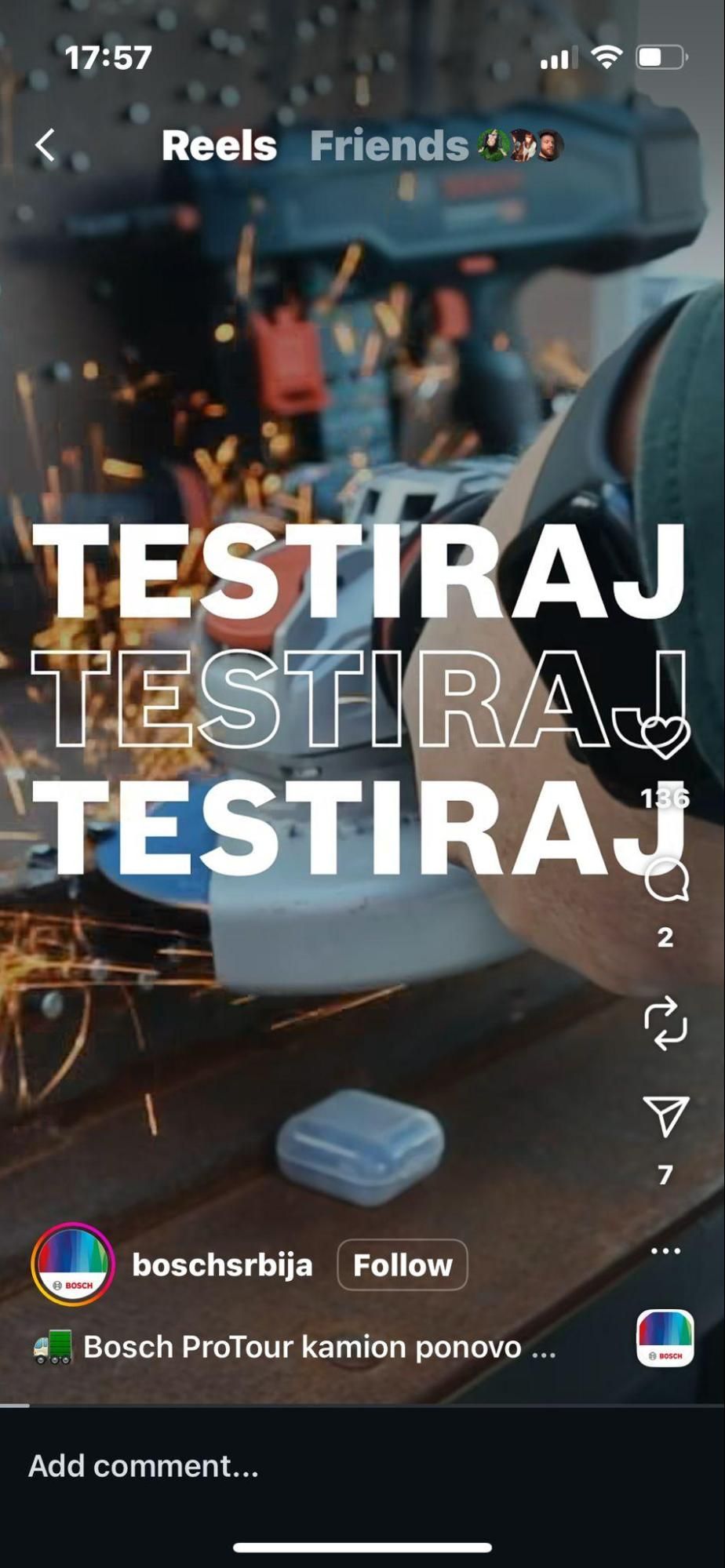
- Most users watch videos without sound at this point, so you should probably start thinking about adding subtitles and translations while bearing the character limit in mind. In this regard, we also suggest burned-in subtitles that cannot be turned off by the user.
- Websites: Media localization for websites requires adding video sitemaps and structured data so that search engines can index your content properly. Multilingual metadata improves SEO, as well as video visibility in different languages.
- LMS/eLearning: It is crucial to ensure compliance with SCORM or xAPI standards. These are standards for tracking learner progress. Also, adapt interactive parts, quizzes, and player controls to the language and technical capabilities of the user.
FAQ
What’s the difference between video translation and video localization?
Video localization is a broader term than video translation. Translation refers to text in different languages, while localization ensures that the content in the form of visuals, expressions, and messages is adapted to the local audience.
How much does video localization cost?
Prices are determined by the length and complexity of the video, as well as the type of localization you wish to implement into it. Subtitling is the cheapest way to go, while dubbing comes next. Cultural adaptation can also be expensive, as it requires hiring professional translators and writers to adapt the text to different markets.
Can AI tools help with video localization?
Artificial intelligence is saving both time and costs involved in translating and adapting video content to different markets. Yet, keep in mind that artificial intelligence often mistranslates idioms and cultural references, while the artificially generated dubbing usually sounds odd. This may lead to loss of trust from the users.