What is Dynamic Creatives Optimization
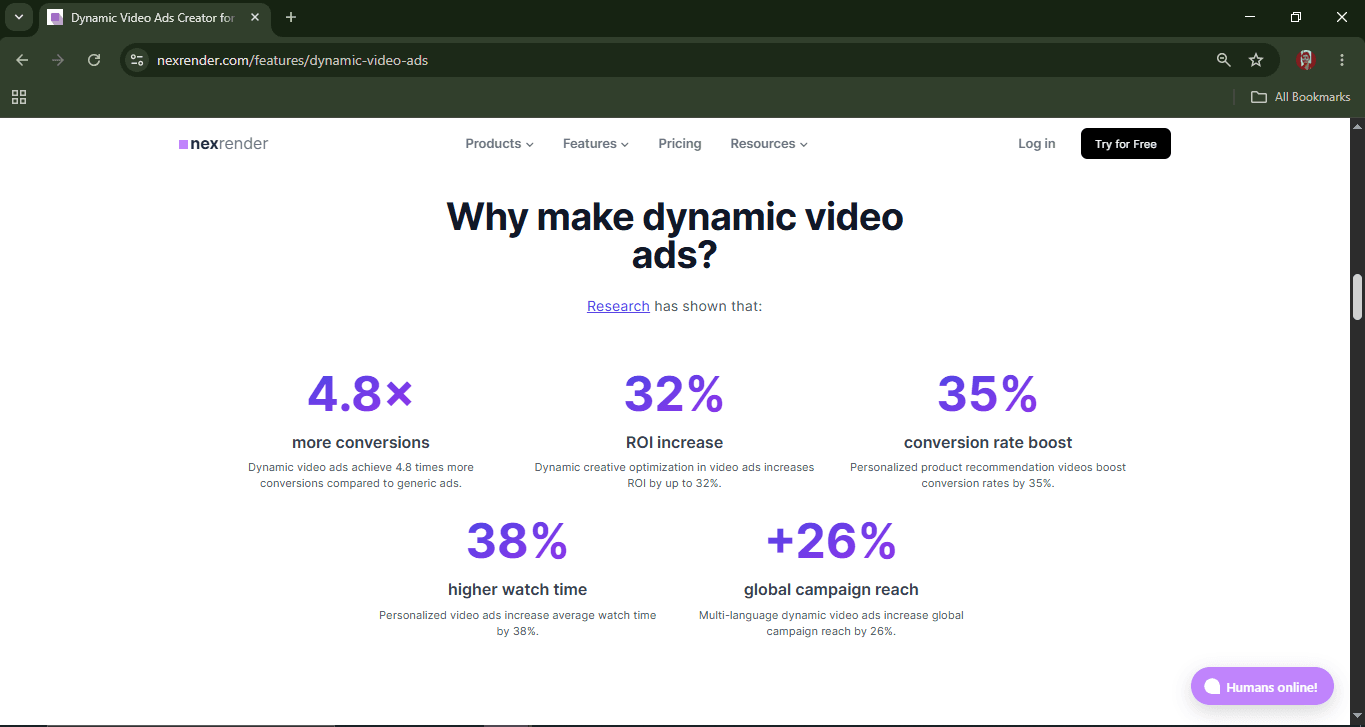
Recent research reveals that by 2026, 71% of consumers expect a personalized experience from brands, and 76% are frustrated when they don’t get it. Manual creative production can no longer meet these expectations, as there are too many channels, too many segments, too many formats. Therefore, personalization is no longer a competitive advantage, but has become something that is taken for granted.
Automated, data-driven creatives today power performance marketing campaigns, programmatic advertising, e-commerce personalization, and AI-driven systems that choose the best combination of ads for each user in real time.
What Is Dynamic Creative Optimization (DCO)?
Dynamic creative optimization is a system that auto-composes an ad at the moment it appears, depending on who is looking, where they’re currently at, what they have been browsing, and what kind of device they’re using. So it’s not just one ad that the whole audience sees. Instead, you get an almost endless number of versions of the same ad, but refined for each individual person.
A static ad is created once and shown to everyone the same way. So the headline, image, and call to action stay the same. Dynamic creative optimization ads are different because they’re assembled from pieces (headline, visual, CTA, price, language), and the system mixes them together in real time. So someone in Belgrade searching for winter jackets sees something other than a user in New York who clicked the same product last week but didn’t buy. Relevance increases because the ad fits the user’s context right now, not some guessed-at average of the whole target group. This shows up in results - higher CTR, lower cost per acquisition, and better conversion rates. Instead of optimizing a campaign only after the data is collected, it optimizes each single ad impression in real time, again and again.
How Dynamic Creative Optimization Works?
Data as the basis of everything
It starts with data. The engine gathers signals from a few sources at once, like who the user is (demographics, personal interests), how they behave (which pages they look at, what they drop into their cart, how long they linger on certain content), and in what situation they are - device, place, time of day, even the current weather. All these signals together build the profile of that one impression. Based on it, the algorithm decides what to display.
How creatives are structured
Dynamic Creative Optimization doesn't work with ready-made ads, but with modules. Every ad breaks down into separate pieces, such as a headline, subtitle, visual, CTA, price, logo, and background color. Each piece shows up in a few different versions. These versions are kept in the creative feed, where they sit organized, in a structured table that ties each asset to the matching display rules. The template sets the layout and format, while the feed determines what content goes into which slot and under what conditions it shows up.
How variations are created
When a user loads a page, the engine quickly analyzes the available data about that user, compares it with the rules in the creative feed, and composes the ad that best fits that profile. This process is called real-time decisioning. The number of possible combinations can be enormous - a campaign with 5 headlines, 4 visuals, 3 CTAs, and 2 language versions theoretically generates 120 different ads, without a single manual export.
Delivery and Optimization
Once an ad is built, it is delivered through the programmatic infrastructure - DSP platforms, ad servers, and social networks. After serving, the system records the performance of each combination: which headline had a higher CTR, which visual drove conversions, and which CTA performed better on mobile. This data is fed back into the engine and automatically shifts the weight towards better combinations, without requiring someone to manually pause the worse variants and push the better ones.
What are the Key Features of Modern Dynamic Creative Optimization Platforms
Real-time personalization
The algorithm adapts the ad at the moment it is displayed. A user searching for flights to Barcelona on their phone in the morning will see a different ad than a user comparing hotel prices for the same city on their laptop in the evening. Relevance is not a matter of luck or good targeting - it is built into the logic of the algorithm itself. For marketers, this means that one campaign can communicate completely different messages to different segments while still appearing as if it was written specifically for that one user.
Data-driven Creative Production
Instead of the creative team manually creating hundreds of ads, the dynamic creative optimization platform automatically assembles creative from pre-prepared modules based on data. The data feed - prices, location, product availability, and seasonal messages - is inserted directly into the template in real time. For example, a relayer can connect the DCO system to its inventory so that the ad automatically displays only products that are currently in stock, with the correct price and relevant image. The creative team focuses on system design, not on manually exporting hundreds of files.
Multivariate Testing (A/B variation in scale)
A classic A/B test compares two ad variants, while ad targeting tests dozens of combinations simultaneously, at the level of each individual element. The algorithm doesn’t just ask “which ad is better”, but “which headline performs better for users who have already visited the site on a mobile device between 18 and 24 hours”. Each impression is both a test and a delivery because data is collected continuously and the budget and delivery are automatically adjusted towards better combinations. For performance teams, this means that campaign optimization is not an event that happens once a week but a continuous process that runs on its own.
Scalability for high-volume campaigns
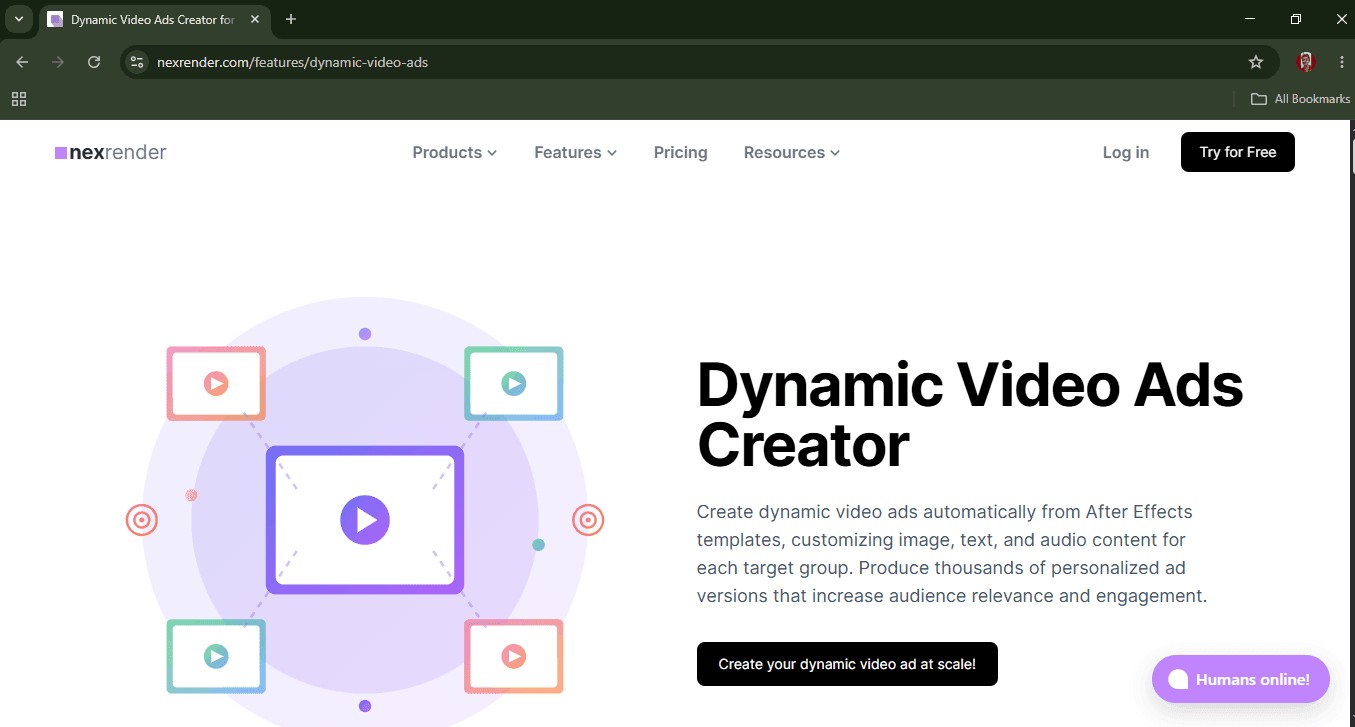
Manual creative production doesn’t scale – when a campaign requires hundreds of variants for different markets, languages, formats, and platforms, the creative team quickly becomes a bottleneck. Dynamic creative optimization solves this problem by separating design from production: once created, a template can generate an unlimited number of variants without additional manual work. This is especially critical for video creative, where producing each variant has traditionally meant separate rendering, export, and QA. Nexrender comes in especially handy here, as it enables automated production of personalized video variants directly from an Adobe After Effects template, without manually rendering each version separately.
Integration with Ad Platforms and Analytics Tools
A dynamic creative optimization platform is not an isolated island. Its value depends on how well it communicates with the rest of the marketing stack. Integration with DSP platforms (The Trade Desk, DV360) and social channels (Meta, TikTok), plus CRM systems, analytics tools like Google Analytics, and clean room environments, enables information to flow back and forth. So you can send input data feeds for personalization, get output data from the campaign that comes back into analytics for measurement, and then send it back to optimization. For marketers, this means a sort of closed loop situation, where you don’t have to manually shuttle data between systems.
How to Implement Dynamic Creative Optimization in Your Workflow
- Set up a creative template: The template is the basis of everything because it defines the layout, format, and which elements are dynamic.Each dynamic slot must be clearly marked and ready to receive data from the feed.
- Structure the data input: Data is entered through a feed (most often CSV, JSON, or a direct API connection to a CRM or product catalog). Each row in the feed corresponds to one ad variant, so the cleaner and better-structured the feed is, the fewer errors there are in production.
- Connect to ad platforms: The dynamic creative optimization system integrates with DSPs and social platforms through standard API connectors, so that the campaign is set up once, and delivery and optimization run automatically through all connected channels.
- Automate creative production: The biggest bottleneck in the whole workflow is not the strategy or targeting; it’s the making of the creatives themself, especially for video formats. If you try to manually render hundreds of variants, it becomes slow, expensive, and error-prone. But this is exactly where Nexrender helps, because it automates the rendering of personalized video assets straight from After Effects templates.So the team can spend more energy on what truly brings value, instead of sitting there exporting.
How to Choose the Right Dynamic Creative Optimization Solution?
- Speed of campaign deployment: The real question is not “what can the platform do” but “how fast can the team deploy their first campaign”. Some solutions sound great on paper but require weeks of onboarding and technical support for each new format. If the team can’t go live in a few days, the platform is not a practical solution regardless of the feature list.
- Integration with existing stack: A DCO platform that doesn’t talk to the rest of the system creates more work. The key questions are specific: does it connect directly to the ad platforms the team already uses? Does it receive data from an existing CRM or catalog, and does the analytics come out in a format you already use for reporting?
- Creative flexibility and support for video: Most platforms handle display formats well, but the difference is seen with video. Video is the format that brings the most engagement, but also the most production overhead. Here’s where you need to be specific: does the platform support dynamic video, and if so, how are video variants actually generated? Solutions that rely on manually rendering each variant don’t scale.
- Scalability and automation: Automation needs to cover not only variant generation but also optimization, creative rotation, and feed updates, all without manual intervention for each change.
- Team fit and workflow: Using even the best dynamic creative optimization tools is not a scalable solution if it is used by only one team member. It's worth assessing who will actually use the platform – the creative team, performance marketing, or both – and whether the interface is intuitive enough not to require ongoing technical support. Complexity that makes sense for an enterprise team of 50 people is often a barrier for a smaller, more agile team.
- Cost vs. output efficiency: The price of a platform is rarely the most important factor, but the price-to-performance ratio is. Check how many creatives your team can produce per hour spent and budget. A platform that costs more but eliminates three days of manual work per company makes financial sense. One that costs less but requires constant manual intervention doesn't.
Summary
Dynamic creative optimization is not a trend; it is the infrastructure of modern digital advertising. Teams that treat personalization as a one-off project lose out to those that build it into the workflow itself. The true DCO meaning is not in the number of variants you can generate but in how quickly the engine learns and optimizes without your intervention.