Idomoo Alternatives
Idomoo is a platform specialized in data-driven, personalized video generation at scale - for example, CRM-based video campaigns, financial statements, onboarding, and loyalty programs. The platform uses APIs to create real-time, customizable videos that display personalized content based on user data. The system integrates with CRM systems, marketing automation platforms, and enterprise software to enable the automatic creation of customized video content for delivery via email, applications, and landing pages.
The most common reasons why teams look for Idomoo alternatives: The system charges organizations high costs because its pricing structure targets only major advertising campaigns, which makes it inaccessible for mid-sized companies, startups, and advertising agencies. The process of implementing and maintaining systems requires technical assistance and developer integration, which creates obstacles for teams seeking quick self-service production capabilities. Some teams are looking for tools with deeper API control, modular workflows, or more advanced AI generative features. This applies to script-to-video, automated editing, and scalable ad variations.
Top Idomoo Alternatives
Nexrender
Product overview
Nexrender is a tool designed to automate work in Adobe After Effects. It is especially useful for creative, marketing and developer teams who want to generate a large number of personalized videos for any goal. Nexrender works by connecting AE projects to external data (CSV, JSON, API calls) and automatically renders video variations without manual intervention in the AE interface.
Pricing
There is a free open source version with core features. The commercial version includes additional features and the cost depends on the plan you choose.
Key Strengths
Users especially appreciate Nexrender because every segment of the workflow can be customized - from dynamic text insertion and image and video replacement to complex data-driven animation sequences. Since it has both an open source and a Private Cloud paid option, it can be hosted internally, which is important for companies with strict security or compliance requirements. With the right infrastructure, Nexrender enables mass generation of personalized videos without manual work.
Potential limitations
Nexrender has a learning curve and may take some time to get familiar with, especially when connecting your After Effects project to the platform and testing whether it is ready for dynamic changes. For example, it's important to make sure that text does not overlap when content changes and that images scale as expected.
Best Use Cases
Nexrender is particularly useful for companies that need to produce large numbers of personalized video variations, data-driven marketing teams, agencies seeking full creative control over After Effects projects, and organizations that want to build the video automation system on their own terms.
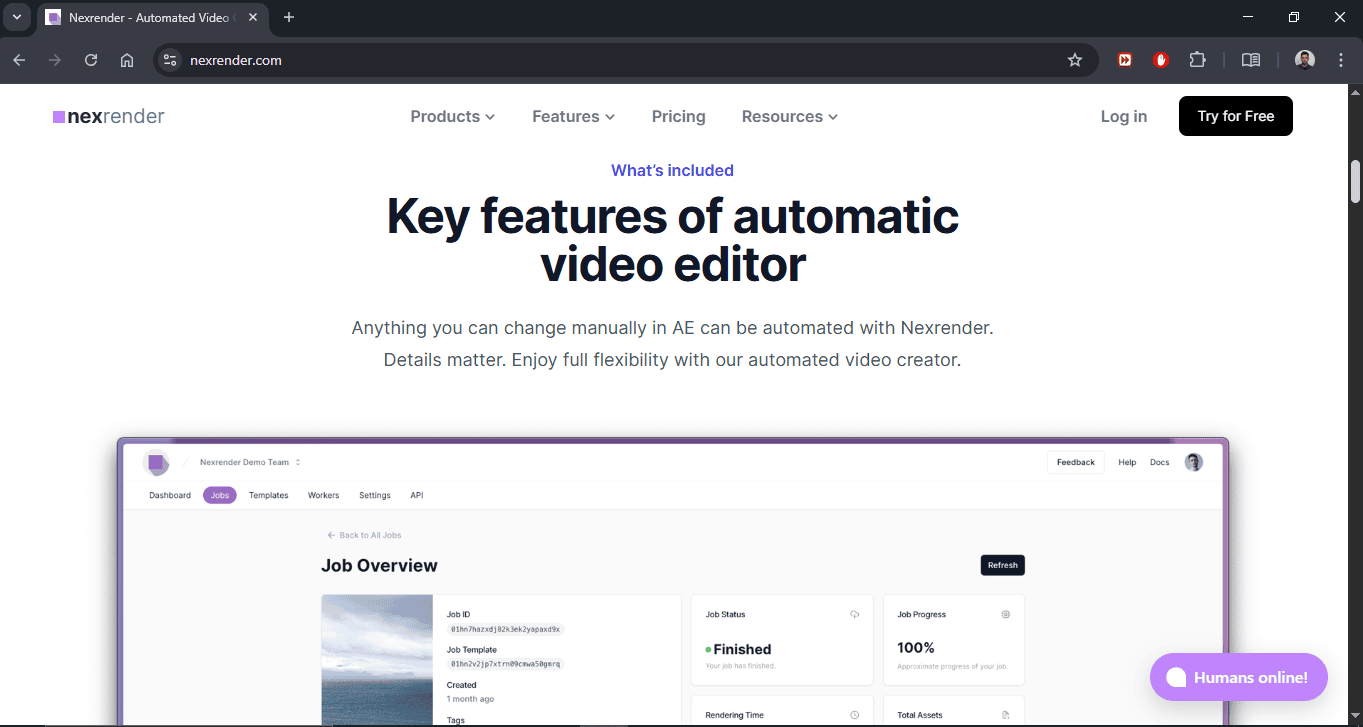
Website: https://www.nexrender.com/
Creatomate
Product overview
Creatomate is an API-first platform for automated video and image creation using templates and JSON data. It allows you to generate dynamic content without relying on After Effects.
Pricing
Pricing includes a subscription model: Essential $45/month (Billed annually as $540); Growth $109/month (Billed annually as $1,290); Beyond $274/month (Billed annually as $3,290).
Key Strengths
Its advantages lie in its API-driven approach, which enables easy integration with applications, CRMs, and marketing tools. Quickly create variations of ads, social media videos, and personalized messages. It also does not depend on After Effects, which brings a simpler workflow and fewer technical requirements.
Potential limitations
Creatomate is less suitable for complex AE animations. Furthermore, its advanced motion graphics are limited compared to After Effects solutions.
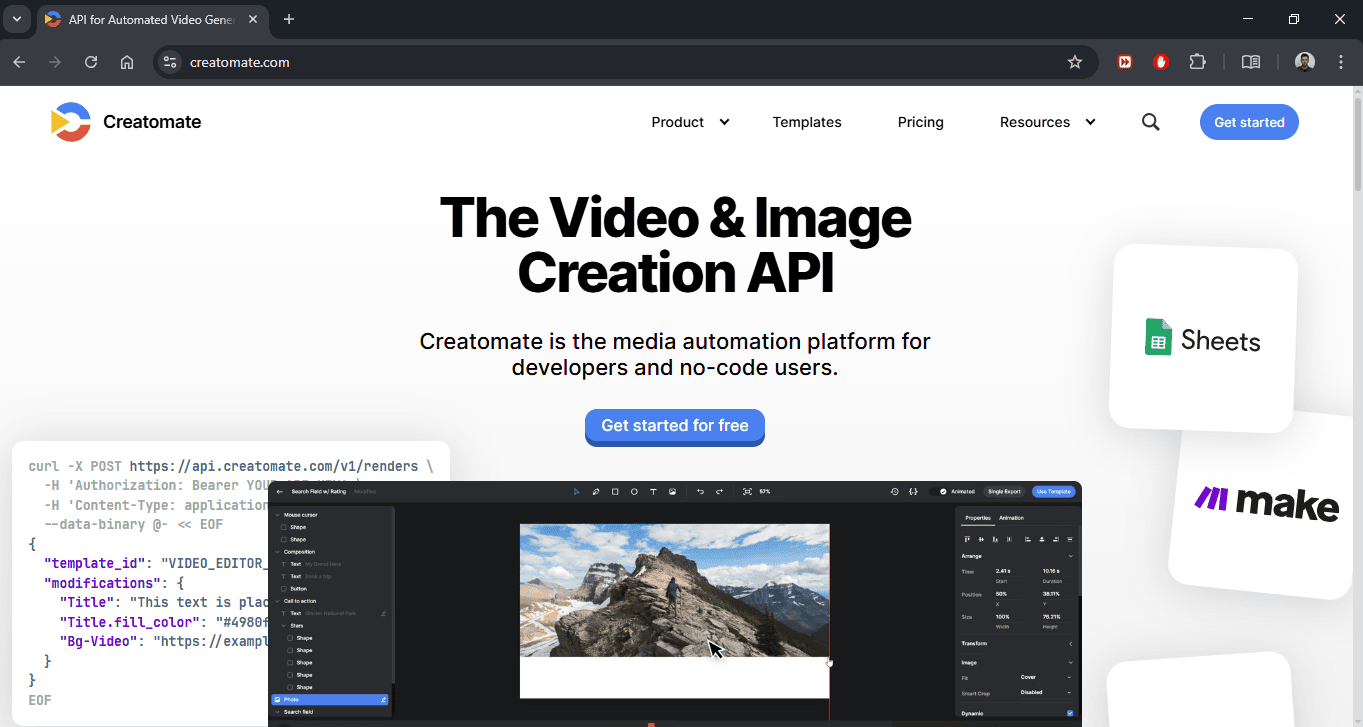
Website:
Bannerbear (Video)
Product overview
Bannerbear is a dynamic visual content automation platform with support for API generation of videos and video overlay elements. It focuses on quickly creating personalized media content, including videos and images, using templates and data from external systems.
Pricing
This platform offers several subscription levels: Automate $49 USD / month - offers you to automate your marketing, Scale $149 USD / month - to scale your marketing, Enterprise $299 USD / month - for high-volume access.
Best Use Cases
The advantages include quick API integration, which easily connects to SaaS tools, CRMs, and internal applications. It is suitable for generating a large number of ads or personalized visual variations. Finally, it does not require a complex production infrastructure.
Potential Limitations
However, it has limited animation and motion graphics capabilities. It is not intended for complex, high-production video projects.
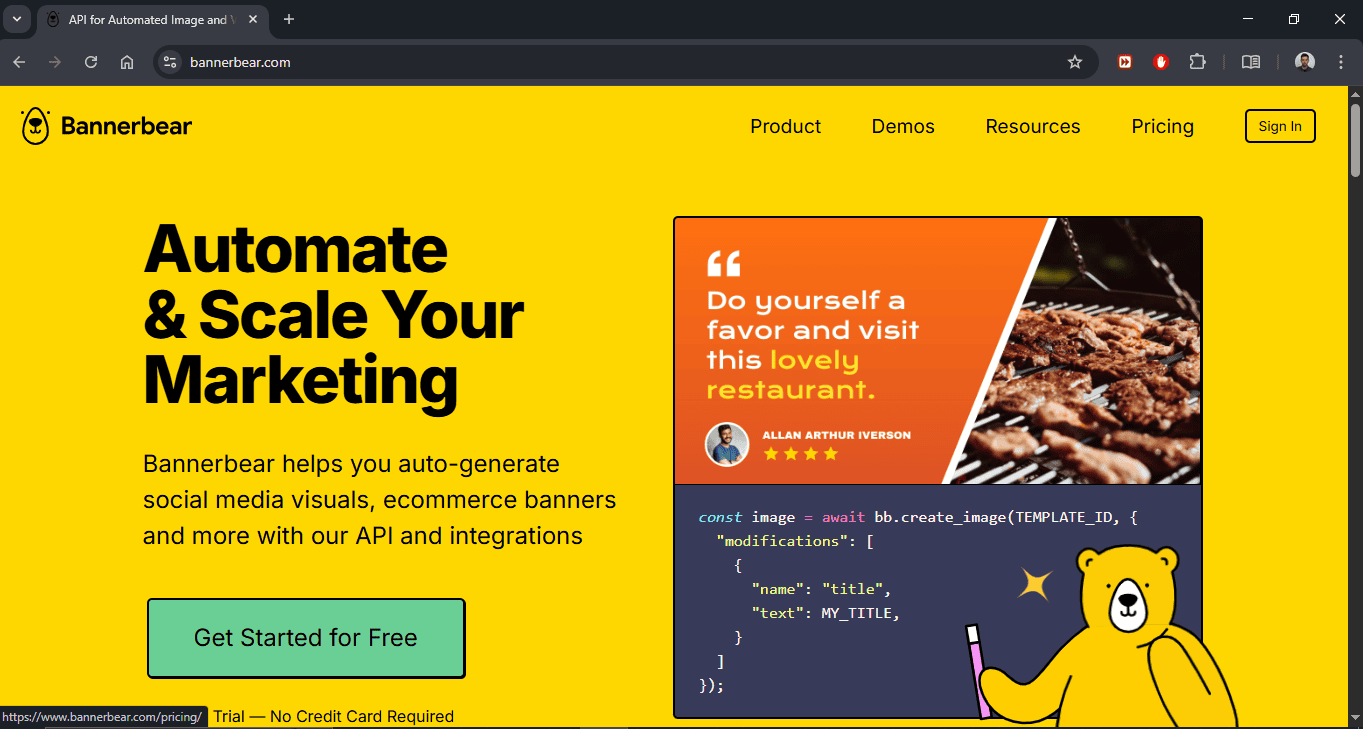
Website:
Shotstack / Shortly AI
Product overview
These are cloud-based solutions for automating large-scale video production. The platforms are primarily API-oriented and enable the generation of personalized video content through programmatic workflows. The focus is on scalable rendering and integration with existing systems (CRM applications, SaaS platforms), which makes them suitable for enterprise and tech-driven teams.
Pricing
These platforms have a pay-as-you-go billing model. The cost depends on the number of renderings and resources used.
Best Use Cases
The advantages lie in the high scalability of rendering, because the cloud infrastructure allows processing a large number of videos in parallel. There is also the dynamic insertion of text, images, scenes, and other elements via APIs. It fits easily into developer workflows.
Potential Limitations
The disadvantages are that the platforms are completely API-focused - they require technical implementation. They do not have a visual template editor intended for marketing teams.
Website:
Veed.io and Canva Video
Product overview
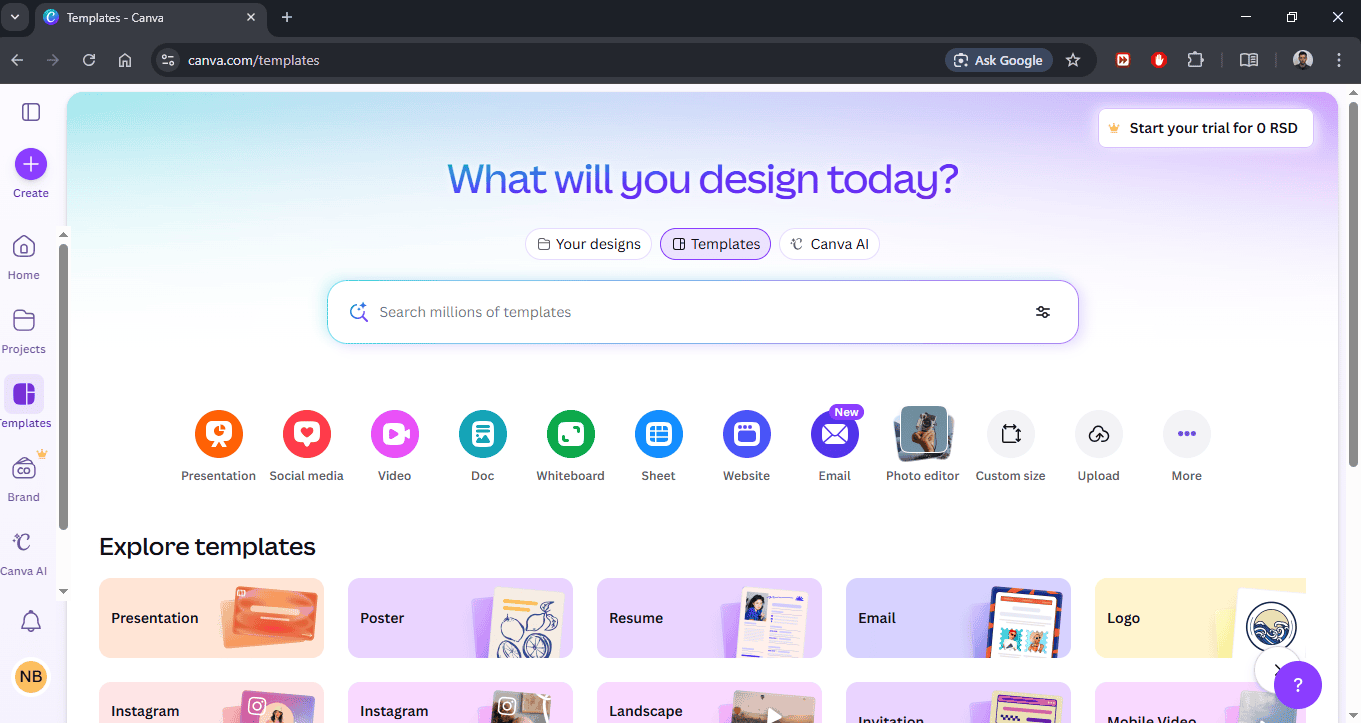
Veed.io and Canva Video run in the browser, with no software installation or developer integration required. Marketing teams can produce their work faster through AI features such as automatic captioning, script generation, no-editing, and template-based editing. The team should use the available social media, ad, presentation, and promo content templates to work faster than with advanced animation techniques.
Best Use Cases
These platforms work well for marketing teams, small businesses, and content creators who lack technical help and automated API requirements. The system cannot produce large quantities of customized videos nor handle complex workflows that require data analysis.
Websites:
and
Practical Migration Tips from Idomoo
Migration to Idomoo competitors requires technical and operational planning.
Reusing existing templates
First, it is necessary to analyze the structure of existing projects: which scenes are static and which are dynamic (images, text, CTA, user data). The templates should be divided into visual components, which include layout, animations, and transitions, as well as the data layer, which contains dynamic fields, variables, and personalized segments. The template for API first platforms links to a JSON structure, while AE-automation solutions map dynamic elements to data placeholders, and browser-based tools need users to create new templates based on existing ones.
Integrating Dynamic Data
Before migration, a single data structure should be defined to ensure consistent personalization. Options: API integration - CRM, marketing automation, SAS platforms; CSV - simple batch companies; JSON - more flexible real-time workflow.
Before mass rendering, it is necessary to test the correct data retrieval and fallback values, as well as encoding and formatting (currency, dates, and languages). This step directly affects the scalability and stability of the system.
Scaling rendering workflow
Batch rendering is suitable for companies with predefined lists, while real-time rendering is useful for onboarding, transactional video, and user-triggered content.
In cloud solutions, scaling is handled automatically using multiple parallel render instances. In self-hosted systems, it is necessary to plan the number of render machines, queue management, and performance monitoring. Shorter videos, optimized assets, and efficient compositing reduce costs and increase throughput.
Let’s conclude
Marketing teams and developers have different needs. While SaaS tools like Createmate and Bannerbear offer a fast and easy workflow for less complex campaigns, enterprise-scale personalization and mass rendering require a more robust and flexible infrastructure. Nexrender provides complete customization, supports both cloud and self-hosting capabilities, and scales to meet growing automation needs. It makes Nexrender the perfect solution for teams that need to manage their After Effects projects and create large volumes of custom videos. The decision to select a smart platform requires organizations to assess their need for technical control versus their desire for quick system setup. Teams must evaluate their available technical and financial resources, as well as their required level of system customization, before selecting between cloud solutions and self-hosting options.