What is Hyper Personalization in Marketing?
Personalization in digital marketing is an advanced approach that uses real-time data, AI, and analytics to deliver each user their own content, offers, and experience based on their specific tastes, behaviors, and context. This approach leads to greater user satisfaction, loyalty, and urge to buy because the offers are created “just for them”.
However, hyper-personalized marketing goes a step further, using predictive models to create scenarios that influence how a user will behave tomorrow. Brands can build continuous personalized micro-narratives in the form of a series of messages and visuals so that each user gets their own story. And what about ethics? By the time hyper personalization enters the intimate granularity of data, brands that would make it clear to customers how and why they use their user data would earn better loyalty.

Hyper Personalization vs. Personalization vs. Customization
When it comes to customisation, it is the user who picks from ready-made options to fit their requirements. While this gives the user a sense of control, it does not automatically adapt to the habits of the user, and they must put in some effort. The best example would be setting font size or enabling dark mode within the app. Some brands allow you to create your own product, such as choosing the colours of sneakers.
Personalization strategy involves using limited data, such as demographics or purchase history, to improve content relevance. This approach improves the user experience, but remains within the framework of broader segmentation, so it is not always precisely aligned with context. For instance, e-commerce offers products similar to those the user has purchased. Or a streaming platform recommends movies and TV shows based on the content the user has recently watched.
Hyper personalization in marketing uses AI, machine learning, and real-time signals to recognize users’ needs as they arise and predict their next steps. This methodology enables an entirely fluid and adaptive experience, changing from second to second in accordance with the user’s micro-reactions. The bank can recognize spending habits and provide individual financial advice the moment it notices unusual outlay.
How Hyper-Personalization Works
Data that drives personalization
Brands use different types of data. First, there is data that users leave themselves (zero-party) and data that the company collects through interaction (first-party). Going deeper, there is behavioral, transactional, and contextual data about location and device. This information helps to understand what the user is doing, what they need, and what its current context is.
Identity resolution and a unique user profile
The system connects all information about a person from different sources. Thus, we can conclude that it is still the same user, even if they interact across multiple devices. When this information is merged, it creates one single profile that gives a complete picture of that user's habits and needs.
Real-time personalization basics
Any material tailored to the preferences of the user as they browse, click, and purchase, instead of previously gathered data. The system behaves or changes the message, offer, or recommendation automatically based on the user's behavior.
Decision-making using rules and machine learning
Customer personalization is based on a combination of predefined rules and machine learning. The rule could be: “send a discount to regular customers,” and machine learning predicts the next best move for each user. Brands then select the most relevant content, product, or message for that moment.
Professional tip:
Sending personalized videos is a great example of personalized marketing. With Nexrender, you can produce thousands of them with no extra effort.
High-Impact Use Cases
E-commerce/Retail
As a part of improving purchase relevance, brands are using product recommendations, presenting dynamic bundles, and cart reminders with price-sensitive communications. Customers now may find their choices quickly and easily, while the average cart value is on the rise.
SaaS/B2B
Hyper-personalization enables ABM (Account-Based Marketing) paths, content tailored to the user's role, and more accurate PKL/lead scoring models. Within the product, the system automatically offers upgrades that best fit the user's needs.
Media/subscription
Platforms optimize the feed so that users are presented with the best subscription model for conversion at the right time. Also, the “watch/read next” option increases the time spent on the platform.
Financial services
Banks and fintech services use models to determine the next-best product and risk-adjusted retention offers. In this way, personalization improves loyalty without compromising security.
Travel/Hospitality
Travel companies offer deals that depend on inventory availability, as well as in-trip offers that enhance the overall experience. Dynamic ancillary upsells increase revenue and make travel more personalized.
What “good” looks like (KPIs and lift)
Typical results of good hyper-personalization at scale include increased conversions, higher customer value, better retention, and stronger engagement. In practice, companies often see double-digit growth rates in key metrics when hyper-personalization is implemented properly.
Measurement, Experimentation, and Incrementality
Core KPIs by funnel stage
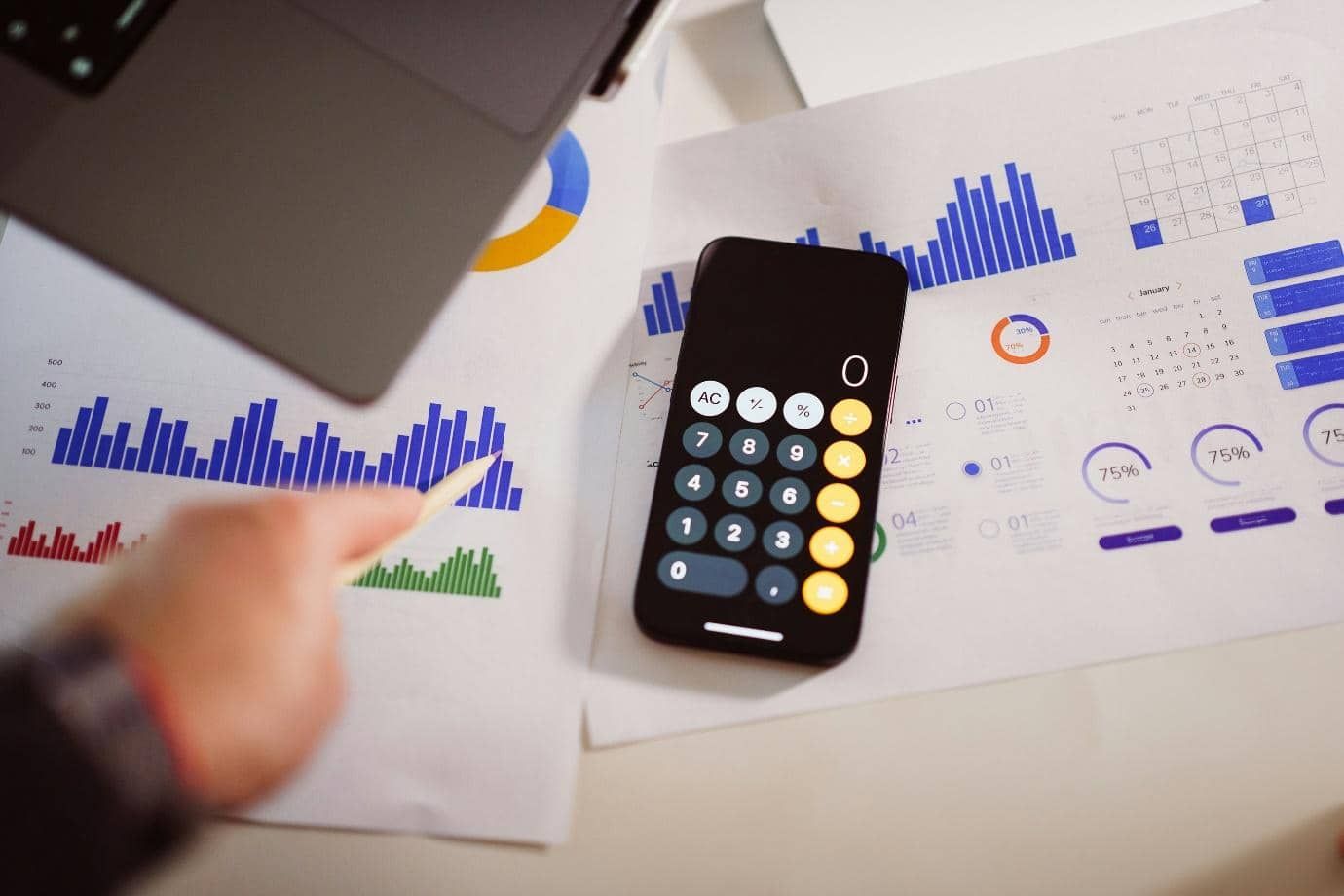
In the early stage, engagement (view or click) is tracked, while in the middle funnel, they measure conversion and average order value (AOV). Towards the end, they measure long-term customer value (LTV) and churn rate, which accordingly depict the contribution of personalization to retention.
Incrementality and clean-room solutions when attribution is unclear
When it's challenging to determine precisely what drove a result, companies measure incrementality - how much additional impact was created solely due to personalization. Clean-room environments allow for secure data combination with partners to obtain more precise analysis without compromising privacy.
Creating a personalization scorecard and reporting rhythm
A scorecard displays key personalization metrics in one place. This gives your team a clear view of what’s working and what’s not. A regular reporting rhythm, whether weekly or monthly, helps you quickly spot trends and make data-driven decisions.
Professional Tip:
Nexrender automatically generates personalized video materials in different variations. This makes it easy to A/B test and evaluate the impact of videos on engagement and conversions.
Common Pitfalls and How to Avoid Them
1. Over-segmentation and low sample sizes
In cases when audiences are divided into such small segments, the tests are bound to be statistically unreliable and will not hold much weight in the results drawn. It is advisable to put into practice bigger, meaningful segments and ensure that sufficient data exists on each for valid analysis. Segmentation that is too small often wastes resources and does not actually bring better personalization performance.
2. Personalization without content depth (content debt)
Without a tailored customer experience and enough quality content, personalization will start to repeat the same messages and lose its effectiveness. That's why it's important to continuously develop new content variants that support deeper, more personalized scenarios.
3. Stale models/rules and lack of retraining cadence
Models that aren't trained regularly start to make incorrect recommendations as user behavior changes. Teams need to establish a clear rhythm of retraining and rule revisions. That way, personalization stays relevant.
4. Channel silos and inconsistent offers
In the absence of coordination across channels such as email, web, apps, and ads, the user may receive contradictory or duplicate messages. There is a need to align the experience across all touchpoints. Since the message will be consistent, it gives a sense of continuity, and this directly impacts trust and a better user experience.
5. Ignoring offline/CSR interactions or returns data
Personalization is incomplete if it doesn't consider returns, customer service calls, or in-store purchases. Integrating this data provides a more accurate picture of a user's behavior and real needs. Offline signals often reveal issues or intentions that online data can't capture, so they're key to more accurate recommendations.
6. Measuring clicks instead of incremental value
Clicks look good in reports, but they don't tell you anything about whether customer personalization actually drives additional sales or retention. The focus needs to shift to measuring incremental impact. That's the real incremental effect of personalization on business results.

FAQs
What are the best hyper-personalization examples?
Hyper-personalization includes real-time email product recommendations and dynamic data that fits users' different interests. Personalized journeys in ABM, content tailored to user roles, and in-app upgrades customized based on behavior can all be seen in SaaS and B2B environments. In subscriptions, hyper personalization suggests what users might want to view or read next and optimizes each user's experience accordingly.
Why is it important to align all channels when it comes to personalization?
The user doesn’t think in terms of channels, but expects a unified experience, without contradictory messages. When email, web, and ads are in harmony, trust and engagement grow.
Should offline data be included in personalization?
Absolutely! Offline interactions often expose needs that online behavior may not. Merging offline with online sources provides a more holistic view of the user and gets closer to an accurate recommendation.
What are the most effective channels for implementing hyper-personalization?
The most efficient channels are email, mobile apps, the website, and push notifications. Direct, real-time interaction with the user occurs via these channels. Therefore, brands merge them so that messages are consistent and relevant across all touchpoints, improving engagement and the likelihood that users will respond to personalized offers or content.